Selecting the right running capacitor for a One Phase AC Motor is a crucial task that can significantly impact the motor's performance, efficiency, and lifespan. As a supplier of One Phase AC Motors, I understand the importance of this process and am here to guide you through it.
Understanding One Phase AC Motors
Before delving into capacitor selection, it's essential to have a basic understanding of One Phase AC Motors. These motors are widely used in various applications, from household appliances to industrial equipment. Unlike three - phase motors, one - phase motors require additional components to start and run efficiently.
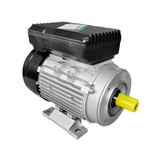
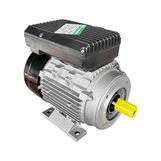
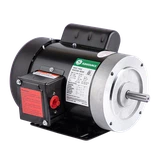
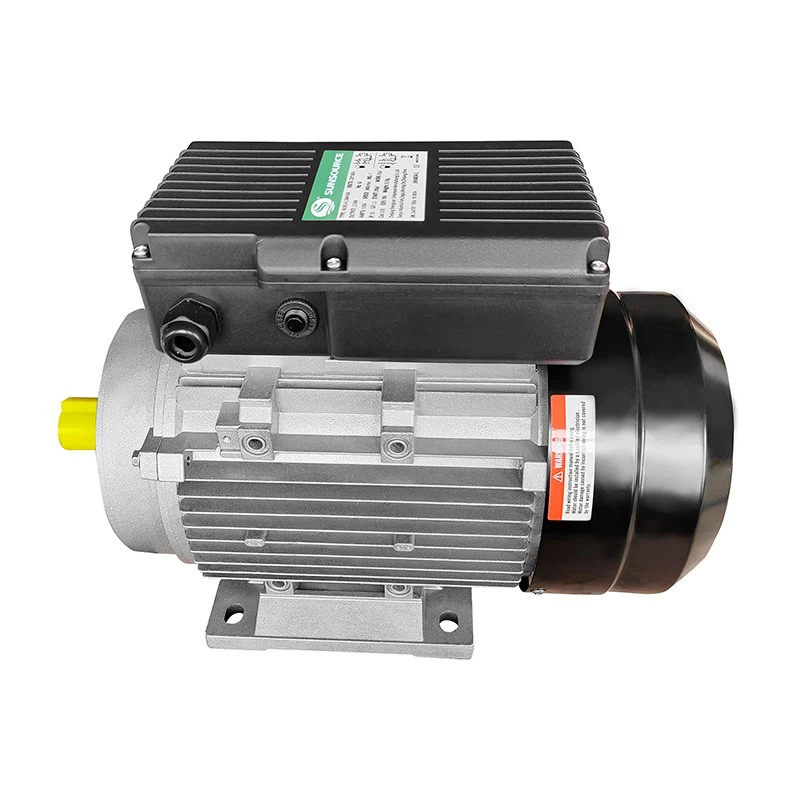
There are different types of One Phase AC Motors, such as AC Induction Motor, One Phase AC Motor, and Universal Motor Single Phase. Each type has its own characteristics and requirements when it comes to capacitor selection.
The Role of Running Capacitors in One Phase AC Motors
Running capacitors play a vital role in the operation of one - phase AC motors. They are connected in the motor circuit during normal operation and are used to improve the motor's power factor, efficiency, and torque. By creating a phase shift in the current, the running capacitor helps the motor generate a rotating magnetic field, which is necessary for the motor to run smoothly.
A properly sized running capacitor can reduce the motor's current draw, which in turn lowers energy consumption and heat generation. This not only saves on electricity costs but also extends the motor's lifespan by reducing wear and tear on the motor windings and other components.
Factors to Consider When Selecting a Running Capacitor
Motor Rating
The first and most important factor to consider when selecting a running capacitor is the motor's rating. This includes the motor's horsepower (HP), voltage, and current requirements. The capacitor's capacitance value (measured in microfarads, μF) and voltage rating must be compatible with the motor's specifications.
For example, a small - horsepower motor used in a household fan may require a running capacitor with a capacitance of 1 - 5 μF and a voltage rating of 250 - 440 volts. On the other hand, a larger - horsepower motor used in an industrial pump may need a capacitor with a capacitance of 10 - 50 μF and a higher voltage rating of 440 - 600 volts.
Motor Type
As mentioned earlier, different types of one - phase AC motors have different requirements when it comes to running capacitors. For instance, capacitor - start capacitor - run motors require both a start capacitor and a running capacitor. The running capacitor in these motors is typically smaller in capacitance than the start capacitor but has a higher voltage rating.
Shaded - pole motors, on the other hand, do not require a running capacitor as they use a different method to create a rotating magnetic field. Therefore, it's important to know the type of motor you are working with before selecting a running capacitor.
Operating Conditions
The operating conditions of the motor also play a role in capacitor selection. Factors such as ambient temperature, humidity, and vibration can affect the performance and lifespan of the capacitor. In high - temperature environments, for example, a capacitor with a higher temperature rating may be required to prevent premature failure.
Similarly, in applications where the motor is subject to frequent starts and stops or high - load conditions, a capacitor with a higher surge current rating may be necessary to handle the increased electrical stress.
Capacitor Quality
The quality of the running capacitor is another important consideration. A high - quality capacitor is more likely to provide reliable performance and have a longer lifespan. Look for capacitors that are made by reputable manufacturers and meet industry standards such as UL (Underwriters Laboratories) or CE (Conformité Européene).

Capacitors with a low equivalent series resistance (ESR) are also preferred as they generate less heat during operation, which helps to improve the motor's efficiency and reliability.
How to Determine the Correct Capacitance Value
Determining the correct capacitance value for a running capacitor can be a bit tricky, but there are a few methods you can use.
Manufacturer's Recommendations
The first and most reliable method is to refer to the motor manufacturer's recommendations. The manufacturer's datasheet or motor nameplate usually provides information on the recommended capacitance value and voltage rating for the running capacitor. This information is based on the motor's design and performance requirements, so it's always a good idea to follow it.
Capacitance Testing
If the motor's original capacitor is still in place and functioning properly, you can measure its capacitance using a capacitance meter. This can give you a good starting point for selecting a replacement capacitor. However, keep in mind that the measured capacitance may vary slightly from the original value due to factors such as aging and temperature.
Calculation Based on Motor Specifications
In some cases, you may need to calculate the required capacitance value based on the motor's specifications. There are several formulas available for this purpose, but they can be quite complex and may require some knowledge of electrical engineering. If you are not comfortable with these calculations, it's best to consult a professional electrician or motor technician.
Installation and Maintenance of Running Capacitors
Once you have selected the right running capacitor for your one - phase AC motor, it's important to install it correctly. Make sure to follow the motor manufacturer's instructions and safety guidelines when installing the capacitor. Incorrect installation can lead to motor damage, electrical shock, or even fire.
Regular maintenance of the running capacitor is also essential to ensure its proper operation. Check the capacitor periodically for signs of damage, such as bulging, leaking, or overheating. If you notice any of these signs, replace the capacitor immediately.
Conclusion
Selecting the right running capacitor for a one - phase AC motor is a critical step in ensuring the motor's optimal performance, efficiency, and lifespan. By considering factors such as motor rating, type, operating conditions, and capacitor quality, you can choose a capacitor that meets the motor's requirements.
If you are in the market for a one - phase AC motor or need assistance with capacitor selection, we are here to help. Our team of experts has extensive knowledge and experience in the field of electric motors and can provide you with the best solutions for your specific needs. Contact us to discuss your requirements and start a procurement negotiation.
References
- Electric Motor Handbook, various editions
- National Electrical Code (NEC)
- Manufacturer's datasheets for one - phase AC motors and running capacitors