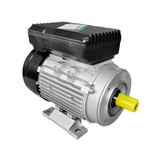
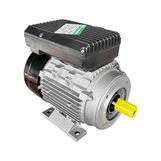
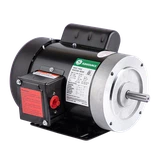
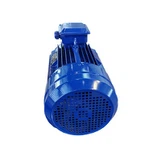
Hey there! As an AC Torque Motor supplier, I've been in the thick of the motor industry for quite a while. I've seen firsthand how the costs associated with AC Torque Motors can vary widely, and it's crucial for both buyers and industry folks to understand these cost factors. So, let's dive right in and break down what makes up the costs of these motors.
1. Raw Material Costs
The first and most obvious cost factor is the raw materials used in manufacturing AC Torque Motors. These motors are made up of several key components, each with its own price tag.
- Copper Windings: Copper is a vital material in the motor's stator windings. It's used because of its excellent electrical conductivity. However, the price of copper can be quite volatile. Fluctuations in the global copper market can have a significant impact on the cost of manufacturing the motor. When copper prices are high, the cost of producing AC Torque Motors goes up, and these increased costs are often passed on to the customers.
- Steel Laminations: The stator and rotor of the motor are typically made up of steel laminations. The quality and type of steel used can vary, and higher - quality steel with better magnetic properties will cost more. Steel prices are also subject to market forces, including supply and demand dynamics and production costs in the steel industry.
- Permanent Magnets (if applicable): Some AC Torque Motors use permanent magnets, especially in high - performance models. Materials like neodymium, which is commonly used in these magnets, can be expensive. The cost of mining, refining, and processing these rare - earth materials adds to the overall cost of the motor.
2. Manufacturing and Assembly Costs
Once the raw materials are sourced, the next step is to turn them into a fully functional AC Torque Motor. This involves a series of manufacturing and assembly processes, each with its own associated costs.
- Machining: Precision machining is required to shape the various components of the motor, such as the stator and rotor. This involves using advanced machinery like CNC (Computer Numerical Control) machines, which require skilled operators and significant capital investment. The cost of operating and maintaining these machines, as well as the labor cost of the machinists, all contribute to the overall manufacturing cost.
- Winding and Coiling: The process of winding the copper wire around the stator is a labor - intensive task. It requires precision to ensure proper electrical performance. Automated winding machines can be used to increase efficiency, but they also come with a high upfront cost. Manual winding, on the other hand, is more time - consuming and may require more skilled labor, which can also drive up costs.
- Assembly: After all the components are manufactured, they need to be assembled into a complete motor. This involves fitting the stator, rotor, bearings, and other parts together. Quality control checks are also carried out during the assembly process to ensure that the motor meets the required specifications. The labor cost of assembly workers and the cost of quality control equipment and procedures all add to the final cost of the motor.
3. Design and Engineering Costs
Developing a new AC Torque Motor or improving an existing one requires significant design and engineering efforts.
- Research and Development: Before a new motor can be brought to the market, extensive research and development work is needed. This includes studying new materials, improving motor efficiency, and developing new designs to meet specific customer requirements. R & D costs can be substantial, especially for companies that are at the forefront of motor technology. These costs are often amortized over the production volume of the motor, which can affect the unit cost.
- Customization: Many customers require customized AC Torque Motors to fit their specific applications. This could involve modifying the motor's size, power output, or other specifications. Customization requires additional design and engineering work, which adds to the cost. For example, if a customer needs a motor with a unique mounting configuration, the engineering team will need to design a new housing and make adjustments to the manufacturing process.
4. Testing and Certification Costs
Ensuring the quality and safety of AC Torque Motors is of utmost importance. This involves a series of testing and certification procedures.
- Performance Testing: Motors need to be tested to ensure that they meet the specified performance criteria, such as torque output, speed, and efficiency. This requires specialized testing equipment and a controlled testing environment. The cost of operating and maintaining this equipment, as well as the labor cost of the testing technicians, is factored into the overall cost of the motor.
- Safety Certification: In many countries, motors need to comply with certain safety standards and regulations. Obtaining certifications such as UL (Underwriters Laboratories) or CE (Conformité Européene) can be a costly and time - consuming process. The cost of hiring certification bodies, conducting the necessary tests, and making any required modifications to the motor to meet the standards all contribute to the final cost.
5. Marketing and Distribution Costs
Once the motors are manufactured and tested, they need to be sold and delivered to the customers.
- Marketing: Promoting AC Torque Motors to potential customers involves various marketing activities, such as advertising, attending trade shows, and maintaining a sales team. These activities require financial resources. For example, participating in an international trade show can cost a significant amount in terms of booth rental, travel expenses, and promotional materials.
- Distribution: Getting the motors from the manufacturing facility to the customers' locations also incurs costs. This includes shipping, warehousing, and inventory management. The cost of shipping can vary depending on the distance, weight, and volume of the motors. Warehousing costs include rent, utilities, and inventory management systems.
6. Energy Efficiency and Long - term Costs
While not an upfront cost, the energy efficiency of an AC Torque Motor can have a significant impact on the overall cost of ownership.


- Energy Consumption: More energy - efficient motors may have a higher upfront cost, but they can save a significant amount of money in the long run by reducing energy consumption. For example, a high - efficiency motor may cost 10% more than a standard motor, but it can reduce energy costs by 20% over its lifetime. Customers need to consider the long - term energy savings when evaluating the cost of a motor.
- Maintenance and Repair: The reliability and durability of the motor also affect the long - term cost. Motors that require less maintenance and have a longer service life will generally be more cost - effective in the long run. This includes factors such as the quality of the bearings, the insulation of the windings, and the overall design of the motor.
In conclusion, there are many cost factors associated with AC Torque Motors, from raw materials and manufacturing to design, testing, and long - term usage. As a supplier, we strive to offer the best value for our customers by optimizing these cost factors without compromising on quality. If you're in the market for an AC Induction Motor Single Phase, One Phase AC Motor, or Single AC Motor, we'd love to have a chat with you about your specific needs and how we can provide a cost - effective solution. Whether you're looking for a standard motor or a customized one, we're here to help. Don't hesitate to reach out to us for a quote and start a procurement discussion.
References
- IEEE Transactions on Industry Applications
- Electric Motor Handbook
- International Electrotechnical Commission (IEC) standards