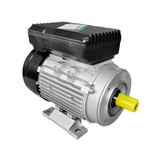
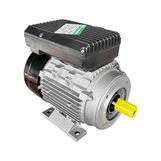
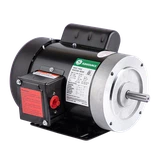
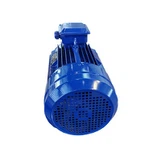
As a seasoned supplier of AC current motors, I understand the critical importance of proper maintenance in ensuring the longevity and efficient operation of these essential pieces of equipment. AC current motors are widely used in various industries, from manufacturing and agriculture to HVAC systems and transportation. Their reliability is often the linchpin of smooth business operations. In this blog, I'll share comprehensive maintenance procedures for AC current motors that can help you keep your motors running at their best.
Regular Visual Inspections
The first step in maintaining an AC current motor is conducting regular visual inspections. These inspections should be carried out at frequent intervals, depending on the motor's usage and operating environment. A visual inspection can reveal a wide range of potential issues before they escalate into major problems.
- Check for Physical Damage: Look for any signs of physical damage, such as cracks, dents, or loose parts. Physical damage can compromise the motor's structural integrity and lead to further issues. Pay close attention to the motor's housing, terminals, and mounting brackets.
- Inspect the Wiring: Examine the motor's wiring for any signs of wear, fraying, or corrosion. Damaged wiring can cause electrical shorts, overheating, and other safety hazards. Ensure that all connections are tight and secure.
- Look for Leaks: Check for any signs of oil or coolant leaks around the motor. Leaks can indicate a problem with the motor's seals or gaskets and can lead to lubrication issues or overheating.
Cleaning and Lubrication
Proper cleaning and lubrication are essential for the smooth operation of an AC current motor. Over time, dirt, dust, and debris can accumulate on the motor's surfaces, which can impede its performance and cause overheating.
- Clean the Motor: Use a soft brush or compressed air to remove any dirt, dust, or debris from the motor's surfaces. Be careful not to damage any of the motor's components during the cleaning process. Pay special attention to the cooling fins and ventilation openings, as these areas are particularly prone to blockages.
- Lubricate Moving Parts: Most AC current motors have moving parts that require lubrication to reduce friction and wear. Refer to the motor's manufacturer's guidelines for the recommended type and frequency of lubrication. Over-lubrication can be just as harmful as under-lubrication, so it's important to follow the guidelines carefully.
Monitoring Temperature and Vibration
Monitoring the temperature and vibration of an AC current motor is an effective way to detect potential problems early. Abnormal temperature or vibration levels can indicate a variety of issues, such as misalignment, bearing wear, or electrical problems.
- Temperature Monitoring: Use a temperature sensor or infrared thermometer to monitor the motor's temperature during operation. Compare the readings to the motor's normal operating temperature range. If the temperature exceeds the normal range, it could indicate a problem that needs to be addressed.
- Vibration Monitoring: Use a vibration analyzer to monitor the motor's vibration levels. Excessive vibration can cause premature wear and damage to the motor's components. Compare the vibration readings to the motor's normal vibration levels. If the vibration levels are significantly higher than normal, it could indicate a problem with the motor's alignment, balance, or bearings.
Electrical Testing
Regular electrical testing is essential for ensuring the safe and efficient operation of an AC current motor. Electrical testing can help detect issues such as insulation breakdown, short circuits, and overloading.
- Insulation Resistance Testing: Use an insulation resistance tester to measure the insulation resistance of the motor's windings. Low insulation resistance can indicate a problem with the motor's insulation, which can lead to electrical shorts and other safety hazards.
- Continuity Testing: Use a continuity tester to check the continuity of the motor's wiring and components. A break in continuity can indicate a problem with the wiring or a faulty component.
- Voltage and Current Testing: Use a multimeter to measure the voltage and current of the motor during operation. Compare the readings to the motor's rated voltage and current. If the readings are significantly different from the rated values, it could indicate a problem with the motor or the electrical supply.
Bearing Maintenance
The bearings in an AC current motor are critical components that require regular maintenance. Bearings support the motor's rotating shaft and reduce friction, allowing the motor to operate smoothly.
- Inspect the Bearings: Regularly inspect the bearings for signs of wear, damage, or contamination. Look for any signs of pitting, scoring, or discoloration on the bearing surfaces. If the bearings show signs of wear or damage, they should be replaced immediately.
- Lubricate the Bearings: Most bearings require lubrication to reduce friction and wear. Refer to the motor's manufacturer's guidelines for the recommended type and frequency of lubrication. Over-lubrication can be just as harmful as under-lubrication, so it's important to follow the guidelines carefully.
Alignment and Balancing
Proper alignment and balancing are essential for the smooth and efficient operation of an AC current motor. Misalignment and imbalance can cause excessive vibration, noise, and premature wear and damage to the motor's components.
- Check the Alignment: Use a laser alignment tool or dial indicator to check the alignment of the motor and its driven equipment. Misalignment can cause the motor to work harder than necessary, leading to increased energy consumption and premature wear.
- Balance the Rotor: If the motor's rotor is unbalanced, it can cause excessive vibration and noise. Use a balancing machine to balance the rotor and ensure that it rotates smoothly.
Professional Maintenance and Servicing
In addition to regular maintenance procedures, it's important to have your AC current motors professionally maintained and serviced on a regular basis. A professional technician can perform a comprehensive inspection of the motor, identify any potential problems, and perform any necessary repairs or maintenance.


- Schedule Regular Maintenance: Establish a regular maintenance schedule for your AC current motors based on the manufacturer's recommendations and the motor's usage and operating environment. Regular maintenance can help prevent breakdowns and extend the life of the motor.
- Choose a Qualified Technician: When selecting a professional technician to maintain and service your AC current motors, choose someone who is qualified and experienced. Look for a technician who is certified by a recognized organization and has a good reputation in the industry.
Conclusion
Proper maintenance of AC current motors is essential for ensuring their longevity, reliability, and efficient operation. By following the maintenance procedures outlined in this blog, you can keep your motors running at their best and avoid costly breakdowns and repairs. If you have any questions or need further assistance with the maintenance of your AC current motors, please don't hesitate to contact us. We are a leading supplier of Waterproof AC Motor, 3 Phase 110V Motor, and Three Phase AC Motor, and we are committed to providing our customers with high-quality products and excellent customer service. Whether you're looking to purchase a new motor or need help with maintenance and repair, we're here to assist you. Contact us today to discuss your specific needs and explore how we can help you keep your operations running smoothly.
References
- "Electric Motor Maintenance and Troubleshooting" by Tom Bishop
- "Motor and Drive Installation and Troubleshooting" by Bill Whitaker
- Manufacturer's manuals and technical documentation for AC current motors.