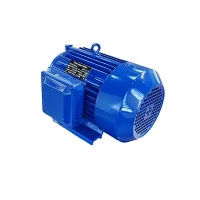
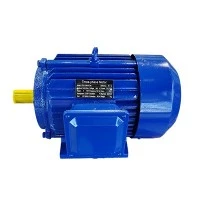
As a supplier of AC Capacitor Motors, I've witnessed firsthand the critical role that environmental factors play in the performance and longevity of these motors. One such factor that often goes under the radar but can have a significant impact is humidity. In this blog, I'll delve into the effects of humidity on an AC Capacitor Motor, drawing on my experience in the industry and the latest scientific research.
Understanding AC Capacitor Motors
Before we explore the effects of humidity, let's briefly understand what an AC Capacitor Motor is. These motors are a type of single-phase induction motor that uses a capacitor to create a phase shift in the current, which helps in starting and running the motor. They are commonly used in a variety of applications, including air conditioners, fans, and pumps. You can find more information about different types of single-phase AC motors on our website, such as Small Single Phase AC Motor, Motor For AC, and One Phase AC Motor.
How Humidity Affects AC Capacitor Motors
1. Electrical Insulation
One of the primary concerns with high humidity is its impact on the electrical insulation of the motor. The windings in an AC Capacitor Motor are insulated to prevent short circuits and ensure efficient operation. However, when exposed to high humidity, moisture can penetrate the insulation, reducing its effectiveness.
Moisture can cause the insulation resistance to decrease, leading to leakage currents. These leakage currents can generate heat, which further degrades the insulation over time. In severe cases, the insulation may break down completely, resulting in a short circuit and motor failure.
2. Corrosion
Humidity can also accelerate the corrosion of metal components in the motor. The capacitor, which is a crucial part of the AC Capacitor Motor, contains metal plates and terminals. When exposed to moisture, these metal parts can rust and corrode.
Corrosion can cause the capacitor to lose its capacitance, which affects the motor's starting and running performance. A corroded capacitor may not be able to provide the necessary phase shift, leading to reduced torque and efficiency. Additionally, corrosion can also damage the motor's bearings and other mechanical components, increasing friction and wear.
3. Condensation
In environments with significant temperature fluctuations, high humidity can lead to condensation inside the motor. When warm, moist air comes into contact with a cold surface, such as the motor housing, the water vapor in the air condenses into liquid water.
Condensation can cause electrical shorts, as well as damage to the motor's internal components. It can also promote the growth of mold and mildew, which can further degrade the insulation and other materials in the motor.
4. Lubrication
Humidity can also affect the lubrication of the motor's moving parts. Moisture can mix with the lubricating oil, reducing its viscosity and effectiveness. This can lead to increased friction and wear between the moving parts, resulting in reduced efficiency and a shorter lifespan for the motor.
Mitigating the Effects of Humidity
1. Proper Enclosure
One of the most effective ways to protect an AC Capacitor Motor from humidity is to use a proper enclosure. A sealed or weatherproof enclosure can prevent moisture from entering the motor, reducing the risk of electrical insulation breakdown, corrosion, and condensation.
When selecting an enclosure, it's important to consider the environment in which the motor will be operating. For outdoor applications, a NEMA-rated enclosure is recommended to provide adequate protection against dust, water, and other environmental factors.
2. Moisture-Resistant Insulation
Using moisture-resistant insulation materials can also help to mitigate the effects of humidity. These materials are designed to repel water and prevent moisture from penetrating the insulation. Some common moisture-resistant insulation materials include epoxy resins and silicone rubbers.
3. Dehumidification
In environments with high humidity, using a dehumidifier can help to reduce the moisture content in the air. This can prevent condensation and reduce the risk of corrosion and other humidity-related problems.
4. Regular Maintenance
Regular maintenance is essential for ensuring the long-term performance and reliability of an AC Capacitor Motor. This includes inspecting the motor for signs of moisture damage, corrosion, and wear, as well as cleaning and lubricating the moving parts.
During maintenance, it's also important to check the capacitor for proper operation and replace it if necessary. A capacitor that is approaching the end of its lifespan or showing signs of damage should be replaced to prevent motor failure.
Conclusion
Humidity can have a significant impact on the performance and lifespan of an AC Capacitor Motor. By understanding the effects of humidity and taking appropriate measures to mitigate them, you can ensure that your motors operate efficiently and reliably in all environments.


At our company, we are committed to providing high-quality AC Capacitor Motors that are designed to withstand the challenges of different operating conditions. If you have any questions or need assistance in selecting the right motor for your application, please don't hesitate to contact us for a procurement discussion. We look forward to working with you to meet your motor needs.
References
- "Electric Motor Handbook" by Teruo Matsuo
- "Electrical Insulation for Rotating Machines: Design, Evaluation, Aging, Testing, and Repair" by G. C. Stone, E. A. Boulter, I. Culbert, and H. D. M. West
- "Handbook of Electric Power Calculations" by Hadi Saadat