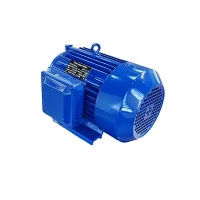
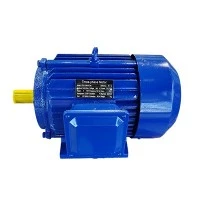
As a supplier of NEMA AC motors, I've witnessed firsthand the importance of motor efficiency in various industrial and commercial applications. Efficiency is not just a technical term; it's a crucial factor that impacts energy consumption, operational costs, and environmental sustainability. In this blog, I'll delve into the efficiency of typical NEMA AC motors, exploring what it means, how it's measured, and why it matters.
Understanding Motor Efficiency
Motor efficiency is defined as the ratio of mechanical power output to electrical power input, expressed as a percentage. In simpler terms, it tells us how effectively a motor converts electrical energy into mechanical energy. A higher efficiency means less energy is wasted as heat, resulting in lower energy consumption and cost savings over the motor's lifespan.
For NEMA (National Electrical Manufacturers Association) AC motors, efficiency is a key performance metric. NEMA has established standards for motor efficiency, which are widely recognized and followed in the industry. These standards ensure that motors meet minimum efficiency requirements, helping users make informed decisions when selecting motors for their applications.
Factors Affecting NEMA AC Motor Efficiency
Several factors can influence the efficiency of a NEMA AC motor. Here are some of the most significant ones:
Motor Design
The design of the motor plays a crucial role in determining its efficiency. Motors with advanced designs, such as those with high-quality magnetic materials and optimized winding configurations, tend to be more efficient. For example, a motor with a low-loss core material can reduce eddy current losses, resulting in higher efficiency.
Motor Size
The size of the motor also affects its efficiency. Generally, larger motors are more efficient than smaller ones because they have a lower ratio of surface area to volume, which reduces heat losses. However, it's important to select the right motor size for the application to avoid over-sizing or under-sizing, which can both lead to reduced efficiency.
Load Profile
The load profile of the motor, or how the motor is used over time, can impact its efficiency. Motors that operate at or near their rated load for most of the time tend to be more efficient than those that operate at light loads. This is because the efficiency of a motor typically decreases as the load decreases.
Operating Conditions
The operating conditions of the motor, such as temperature, humidity, and altitude, can also affect its efficiency. Motors that operate in harsh environments may experience increased losses due to factors such as insulation degradation and increased friction. Therefore, it's important to select a motor that is suitable for the operating conditions.
Measuring NEMA AC Motor Efficiency
There are several methods for measuring the efficiency of a NEMA AC motor. The most common method is the input-output method, which involves measuring the electrical power input to the motor and the mechanical power output. The efficiency is then calculated using the following formula:
Efficiency (%) = (Mechanical Power Output / Electrical Power Input) x 100
Another method for measuring motor efficiency is the loss segregation method, which involves measuring the individual losses in the motor, such as copper losses, iron losses, and mechanical losses. The efficiency is then calculated by subtracting the total losses from the input power and dividing by the input power.
Typical Efficiency Levels of NEMA AC Motors
The efficiency of a typical NEMA AC motor can vary depending on several factors, such as the motor design, size, and load profile. However, NEMA has established minimum efficiency standards for motors, which are known as NEMA Premium® efficiency standards. These standards apply to three-phase induction motors with a power rating of 1 to 500 horsepower.
Motors that meet the NEMA Premium® efficiency standards are designed to be more efficient than standard motors, resulting in significant energy savings over the motor's lifespan. For example, a NEMA Premium® motor can save up to 10% more energy than a standard motor, depending on the application.
In addition to NEMA Premium® motors, there are also other types of high-efficiency motors available, such as IE3 and IE4 motors, which are designed to meet even higher efficiency standards. These motors are typically more expensive than NEMA Premium® motors, but they can provide even greater energy savings in the long run.
Benefits of Using High-Efficiency NEMA AC Motors
There are several benefits to using high-efficiency NEMA AC motors, including:
Energy Savings
One of the most significant benefits of using high-efficiency motors is energy savings. By reducing energy consumption, high-efficiency motors can help users save money on their electricity bills. For example, a NEMA Premium® motor can save up to 10% more energy than a standard motor, depending on the application.
Reduced Operating Costs
In addition to energy savings, high-efficiency motors can also reduce operating costs by reducing maintenance requirements and extending the motor's lifespan. Motors that are more efficient tend to generate less heat, which can reduce the risk of insulation degradation and other types of damage. This can result in lower maintenance costs and longer motor life.
Environmental Sustainability
Using high-efficiency motors can also help reduce the environmental impact of industrial and commercial operations. By reducing energy consumption, high-efficiency motors can help reduce greenhouse gas emissions and other types of pollution. This can help companies meet their sustainability goals and contribute to a more sustainable future.
Selecting the Right NEMA AC Motor for Your Application
When selecting a NEMA AC motor for your application, it's important to consider several factors, such as the motor's efficiency, power rating, speed, and torque requirements. Here are some tips to help you select the right motor:
Determine Your Load Requirements
The first step in selecting a motor is to determine your load requirements, such as the power, speed, and torque needed to drive the load. This will help you select a motor that is suitable for the application.
Consider the Motor Efficiency
As discussed earlier, the efficiency of the motor is an important factor to consider. Look for motors that meet or exceed the NEMA Premium® efficiency standards to ensure maximum energy savings.
Select the Right Motor Size
It's important to select the right motor size for the application to avoid over-sizing or under-sizing. Over-sizing can result in increased energy consumption and cost, while under-sizing can lead to reduced efficiency and premature motor failure.
Choose a Reputable Supplier
Finally, it's important to choose a reputable supplier for your NEMA AC motor. A reputable supplier will offer high-quality motors that meet or exceed industry standards and provide excellent customer service and support.
Conclusion
In conclusion, the efficiency of a typical NEMA AC motor is an important factor to consider when selecting a motor for an industrial or commercial application. By understanding the factors that affect motor efficiency, measuring efficiency accurately, and selecting the right motor for the application, users can achieve significant energy savings, reduced operating costs, and environmental sustainability.
If you're in the market for a NEMA AC motor, we offer a wide range of high-quality motors, including Small NEMA Motor, NEMA Premium Efficient Motor, and NEMA Premium 3 Phase Motor. Our motors are designed to meet or exceed the NEMA Premium® efficiency standards, ensuring maximum energy savings and performance. Contact us today to learn more about our products and how we can help you select the right motor for your application.


References
- National Electrical Manufacturers Association (NEMA). (2023). NEMA Standards Publication MG 1-2023, Motors and Generators.
- U.S. Department of Energy (DOE). (2023). Energy Efficiency Standards for Electric Motors.
- International Electrotechnical Commission (IEC). (2023). IEC 60034-30-1:2014, Rotating electrical machines - Part 30-1: Efficiency classes of single-speed, three-phase, cage induction motors (IE code).